Construction Equipment Financing: The 2026 Guide for Small Businesses
Heavy machinery is the backbone of any successful small construction business. You need reliable excavators, bulldozers, and cranes to take on larger projects and meet strict client deadlines. But acquiring these massive assets requires significant capital. Purchasing a single piece of heavy equipment outright can severely strain your small business’s working capital, leaving you vulnerable to unexpected expenses or payroll shortages.
Instead of draining your cash reserves, many small business owners rely on strategic funding solutions to acquire the tools they need. In fact, equipment and software investments recently hit $2.3 trillion, with a large portion of those acquisitions funded through external capital. Securing the right financing allows you to spread the cost over several years, aligning your monthly payments with the revenue generated by the machinery itself.
The current economic landscape offers favorable conditions for small companies looking to expand. With recent adjustments to tax codes and the rise of flexible online lending, acquiring heavy machinery is highly accessible. This comprehensive guide explains the different funding options available, what you need to qualify, and how to choose the right path for your growing construction firm.
Popular Types of Construction Equipment Financing
Finding the right loan depends on your credit profile, how quickly you need the cash, and the size of your purchase. Here are the most common avenues for funding heavy machinery.
SBA 504 Loans
The Small Business Administration (SBA) offers the CDC/504 loan program, which is specifically designed to help small businesses purchase major fixed assets like heavy equipment. These loans offer borrowing limits up to $5,000,000 with repayment terms extending from 10 to 25 years. Because the government backs a portion of the loan, you can secure highly competitive interest rates, often starting around 5%. However, SBA loans require extensive paperwork, and the approval process can take several weeks or even months. You will typically need a minimum credit score of 680 and a solid financial history to qualify.
Traditional Bank Loans
Traditional commercial banks account for roughly 59% of total equipment financing volume. If your small business has an established relationship with a local or national bank, this can be a great route. Banks generally offer favorable interest rates and customized repayment schedules. To secure a bank loan, your business must have strong financials, a credit score above 700, and typically two or more years of operational history.
Online Alternative Lenders
For small business owners who need funding quickly or have less-than-perfect credit, online lenders provide a valuable alternative. Companies like Magenta Commercial Capital offer streamlined applications with funding available in as little as 24 to 48 hours. Some online lenders accept credit scores as low as 575 and provide options for businesses that have only been operating for six months. While these loans offer incredible speed and flexibility, they often come with higher interest rates and shorter repayment terms ranging from one to five years.
Leasing vs. Buying: Which is Better for Your Small Business?
When you acquire new machinery, you have two primary choices: finance the purchase to own the equipment, or lease it for a set period.
Financing makes sense if you plan to use the machinery frequently. A common industry rule is that buying is more cost-effective if the equipment will be deployed at least 60% of the time. When you finance, you build equity in the asset. Once the loan is paid off, you own the machinery free and clear. Additionally, purchasing allows you to take advantage of the Section 179 tax deduction. Under current tax laws, small businesses can expense up to $2.5 million in qualifying equipment during the first year of purchase, providing massive tax relief.
Leasing, on the other hand, is ideal for equipment that you only need occasionally or technology that quickly becomes obsolete. Leases typically come with lower monthly payments and rarely require a substantial down payment. When the lease term ends, you can simply return the machinery, renew the agreement, or upgrade to a newer, more efficient model.
Key Requirements for Heavy Equipment Loans
Lenders evaluate several factors before approving your application. While specific criteria vary by institution, you should prepare the following elements before applying.
Credit Score and Financial History
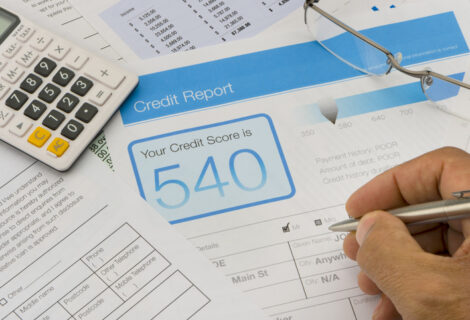
Your personal and business credit scores play a major role in determining your interest rate and loan terms. Prime lenders usually require a score of at least 680. Alternative lenders are much more lenient, sometimes accepting scores in the high 500s.
Annual Revenue and Time in Business
Lenders want assurance that your small business generates enough consistent cash flow to cover the monthly loan payments. Some online lenders require a minimum annual revenue of $100,000 to $250,000. Traditional banks may require significantly more. Furthermore, while startup financing exists, most lenders prefer to see at least 12 to 24 months of steady business operations.
Collateral and Down Payments
In most equipment financing agreements, the machinery itself serves as the collateral for the loan. If you default on your payments, the lender can seize the equipment to recover their losses. Because the loan is self-secured, many lenders offer 100% financing with no down payment required. However, if you have a lower credit score, you might need to provide a down payment of 10% to 20%.
Emerging Equipment Financing Trends to Watch
The construction sector is rapidly evolving. Understanding market trends can help you make smarter investment decisions for your small business.
A major driver of equipment purchases right now is the ongoing labor shortage. According to industry research, 32% of business owners cite labor costs and labor scarcity as their primary reason for financing additional equipment. By investing in automated machinery, advanced robotics, and highly efficient heavy equipment, small construction firms can maintain productivity even with a smaller workforce.
Furthermore, declining interest rates and the extension of favorable tax codes are encouraging small businesses to accelerate their growth initiatives. Upgrading aging infrastructure and adopting energy-efficient construction tools are top priorities for firms aiming to remain competitive.
Frequently Asked Questions
Can I get equipment financing with bad credit?
Yes. Many alternative lenders offer bad credit equipment financing tailored for small businesses. Because the heavy machinery acts as collateral, the lender takes on less risk. You can secure funding with a credit score as low as 575, though you should expect higher interest rates and shorter repayment windows.
What types of machinery can I finance?
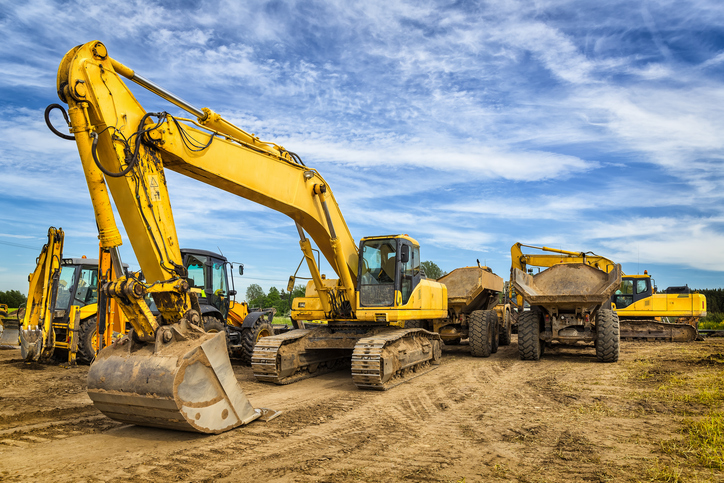
You can finance almost any tangible asset your construction firm needs. This includes yellow iron like excavators, bulldozers, and backhoes, as well as commercial vehicles, dump trucks, and specialized diagnostic software.
How long are the repayment terms?
Repayment terms generally mirror the useful life of the machinery. For heavy construction equipment, terms typically range from 12 months to 84 months (seven years). SBA loans can occasionally extend up to 25 years for massive capital investments.
Secure Your Business Growth Today
Acquiring heavy equipment does not have to drain your bank account or stall your small company’s momentum. By understanding the differences between SBA loans, traditional bank lending, and fast online funding, you can select the product that perfectly aligns with your cash flow and project demands.
Start by reviewing your personal and business credit scores to see where you stand. Next, gather specific quotes from equipment vendors so you know exactly how much capital you need. Finally, compare offers from multiple lenders to secure the lowest interest rates and the most favorable terms. Taking these proactive steps will ensure your construction firm has the reliable machinery required to tackle bigger jobs and scale your operations successfully.