Can You Get Equipment Financing With Bad Credit?
Running a growing business requires the right tools, but acquiring them is rarely cheap. Upgrading machinery, purchasing commercial vehicles, or investing in new technology requires significant capital. When your credit score takes a hit, securing that capital through traditional banking channels often feels impossible. Many conventional lenders will immediately turn away applicants who have less-than-perfect credit histories.
Fortunately, a low credit score does not have to derail your business operations. Securing equipment financing with bad credit is entirely possible. Because the equipment itself serves as collateral, the overall risk for the lender decreases significantly. This allows business owners to access the machinery they need to generate revenue, even if past financial difficulties have left a mark on their credit report.
This guide will explain exactly how to navigate the funding process when your credit score is struggling. You will learn what alternative lenders look for, the steps you can take to strengthen your application, and the common pitfalls to avoid along the way.
Why Bad Credit Doesn’t Disqualify You
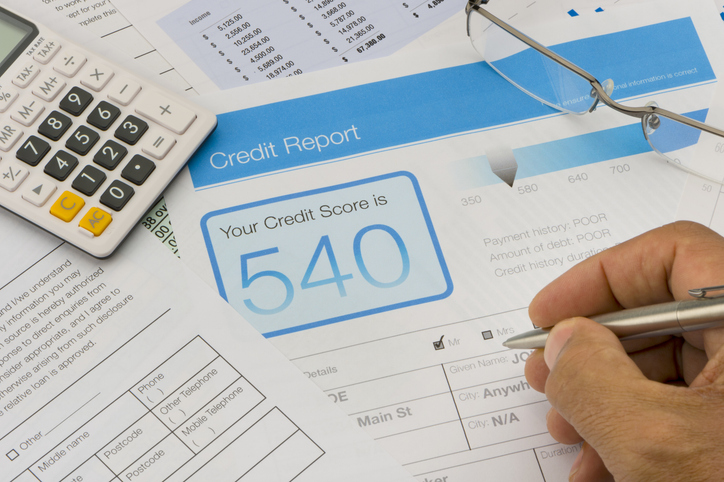
In the world of commercial lending, a credit score below 620 is generally considered “bad” or subprime. Traditional banks heavily weigh this number when evaluating loan applications. However, equipment financing operates differently than unsecured business loans or lines of credit.
When you finance equipment, the physical asset you are purchasing acts as collateral. If you default on the payments, the lender can simply seize the machinery to recoup their losses. This built-in security blanket makes lenders much more willing to overlook a low FICO score.
Instead of obsessing over your credit history, specialized lenders will focus on the overall health of your business. They want to see consistent cash flow, strong annual revenue, and a solid track record of time in business. While approval is highly achievable, you should expect to face higher interest rates, stricter repayment terms, and potential down payment requirements ranging from 20% to 40%.
How to Secure Financing With Poor Credit
Getting approved requires a strategic approach. By presenting your business in the best possible light and choosing the right lending partners, you can overcome the hurdle of a low credit score.
Seek Collateral-Based Lenders
Instead of applying for general business loans, look specifically for lenders that offer equipment leasing or lease-to-own programs. These financial products are inherently tied to the value of the asset. The leasing structure often provides more flexibility for the lender, which translates to more lenient approval criteria for you.
Prove Strong Cash Flow
Your bank statements are your best asset during the application process. Lenders want reassurance that your business generates enough daily or weekly revenue to comfortably cover the new equipment payments. Providing consistent, high-revenue bank statements from the past three to six months can often overshadow a negative personal credit score.
Offer a Larger Down Payment
Putting more money on the table is one of the fastest ways to secure an approval. Offering a down payment of 20% to 40% immediately lowers the amount the lender has to front, effectively reducing their risk. It also demonstrates your personal financial commitment to the investment, which builds trust with the underwriting team.
Opt for Used Equipment
Brand new equipment comes with a premium price tag and rapid depreciation. If your credit is poor, financing used equipment is frequently a smarter path. Used machinery is less expensive, meaning you need to borrow less money. The lower loan amount reduces the lender’s risk exposure and increases your chances of getting a “yes.”
Consider Specialized Lenders
Do not waste your time applying at large national banks if your credit score is below 620. Instead, turn to companies that specialize in high-risk or alternative financing. Firms like Crestmont Capital and Balboa Capital are known for evaluating the holistic health of a business rather than relying solely on a credit check. You can also ask equipment vendors directly, as many maintain partnerships with specialized financing companies designed to help credit-challenged buyers.
Common Pitfalls and Considerations
While securing the machinery you need is a massive win for your business, bad credit financing comes with unique challenges. You must read the fine print and fully understand the financial commitment before signing any agreements.
Higher Overall Costs
Risk is directly tied to price in the lending industry. Because lenders take on more risk by approving a subprime applicant, they will charge higher interest rates to compensate. Factor these increased borrowing costs into your financial projections to ensure the equipment will still generate a profitable return on investment.
Shorter Repayment Terms
Traditional equipment loans might stretch out over five to seven years. With bad credit, expect much shorter repayment windows. Lenders typically limit terms to 24 to 36 months to minimize the time their capital is at risk. While this means you will pay off the debt faster, it also results in significantly higher monthly payments.
Personal Guarantees
Even though the equipment serves as collateral, many lenders will still require a personal guarantee. This is a legal clause stating that you, the business owner, are personally liable for the debt if the business defaults. If things go wrong, the lender could potentially pursue your personal assets to cover the remaining balance.
Beware of Potential Scams
Unfortunately, predatory companies often target desperate business owners. A major red flag is any lender that demands an upfront fee before a contract is signed or an official approval is granted. Legitimate lenders will deduct closing costs or origination fees from the funded amount, or require them only at the official signing. Never wire money to a lender just to process an application.
Frequently Asked Questions About Bad Credit Financing
Can I get 100% financing with bad credit?
Securing 100% financing is highly unlikely if your FICO score is below 620. Lenders need a buffer to mitigate their risk, which is why you should expect to pay a down payment of 20% to 40% of the equipment’s total purchase price.
What credit score is considered too low for equipment financing?
While every lender has different internal guidelines, a credit score below 600 generally requires strong compensating factors, such as exceptionally high business revenue or a massive down payment. Scores above 620 open up more options, though you will still face alternative lending terms until your score climbs into the upper 600s.
Will applying for equipment financing hurt my credit score further?
It depends on the lender’s underwriting process. Many alternative lenders start with a “soft pull” on your credit to pre-qualify you, which does not impact your score. However, before finalizing the contract, they will likely perform a “hard pull,” which can temporarily drop your score by a few points. Always ask the lender about their credit check policy before submitting an application.
Take the Next Step Toward Your Business Goals
A low credit score might narrow your funding options, but it certainly does not eliminate them. By leveraging the equipment as collateral and proving the underlying financial strength of your business, you can secure the tools required for growth.
Take the time to gather your most recent bank statements, calculate how much cash you can allocate for a down payment, and research specialized lenders that cater to your specific industry. With careful planning and a clear understanding of the terms, you can finance the machinery you need today while steadily rebuilding your business credit for the future.